Changelog Notification Strategies That Avoid Developer Fatigue
Tier changes by urgency to ensure developers act on breaking changes while batching routine updates.
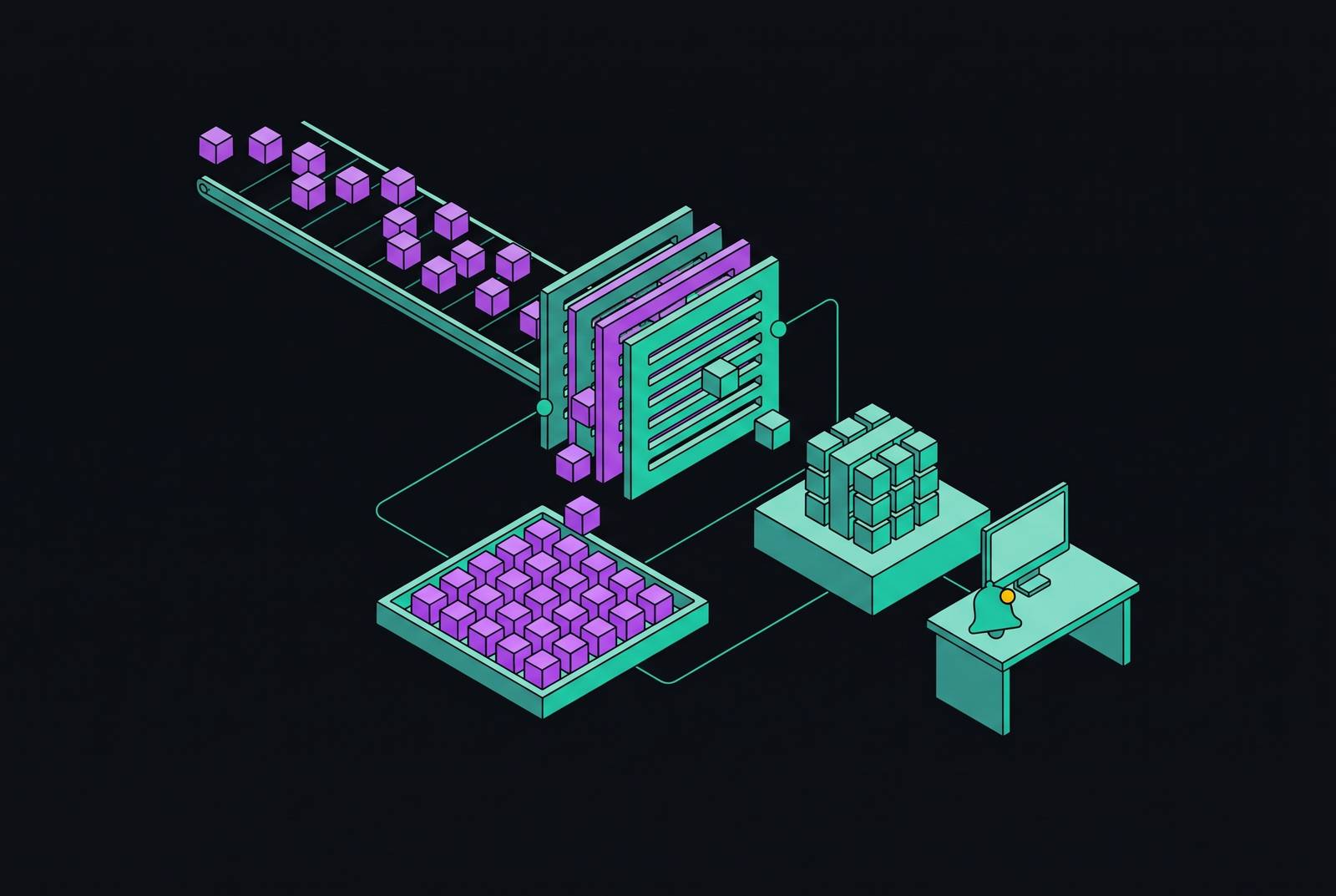
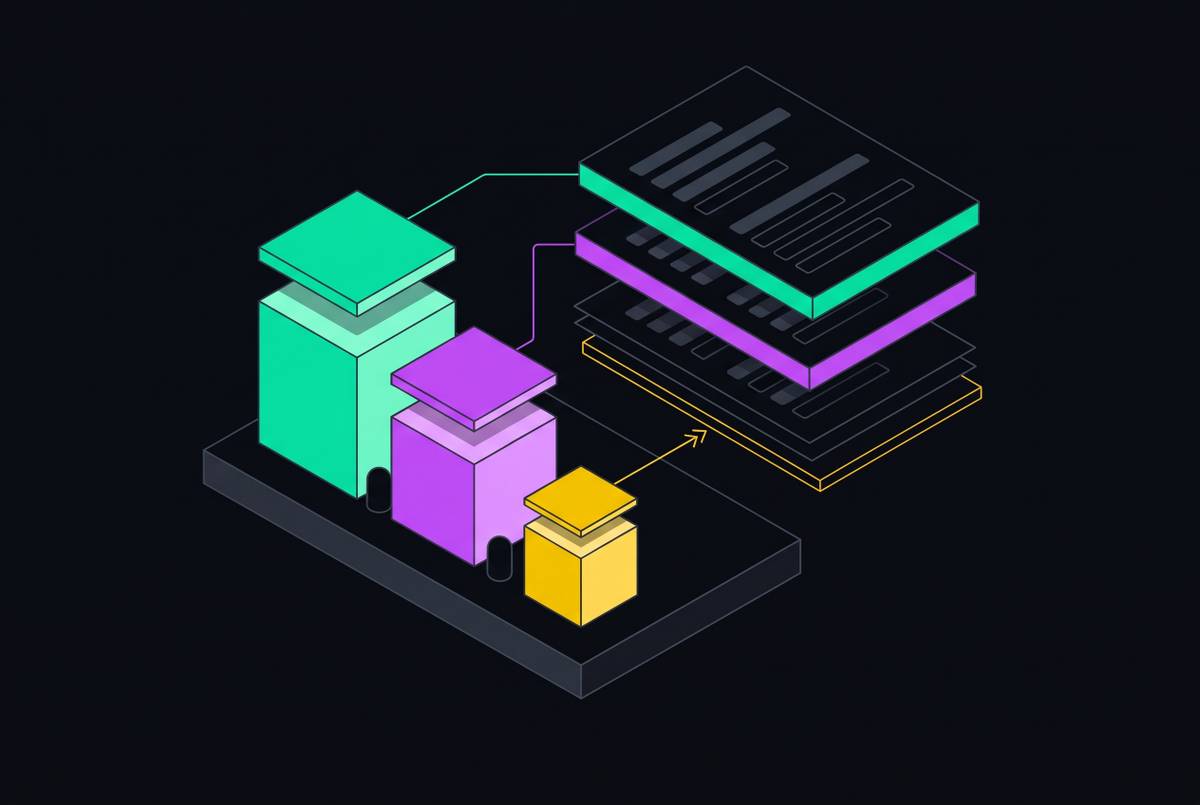
Changelog notification strategies protect developer attention when they match interruption to the need for action. Fatigue is fundamentally a tiering failure. Breaking changes need active delivery to affected developers, additive changes need contextual discovery, and maintenance changes need a batched record.
Why treating all changelog notifications equally creates the fatigue it tries to prevent
The structural failure is a framing problem. When unequal changes arrive through the same channel with the same urgency, developers cannot distinguish what requires action from what can wait. A dependency bump and a breaking API change get the same kind of notification. Filtering both becomes a rational response to that ambiguity, even though ignoring one may leave an integration exposed.
incident.io's 2025 analysis names poor prioritization and tiering as one of five main root causes of alert fatigue, separate from the sheer number of alerts. Low-impact issues compete with critical ones because the system treats them equally. Changelog notifications reproduce that failure outside operational alerting. Teams can keep shipping without wearing out developers' attention if their messages separate changes that need a response from those that just need a record.
What "severity" actually means for a changelog entry
Severity depends on whether developers must act and how quickly. Breaking changes will cause existing integrations to fail if left unaddressed, including endpoint removals, removed parameters, and behavior reversals. Licence changes can also require action. Additive changes introduce capabilities without disturbing existing behavior, such as new endpoints, optional parameters, and features behind flags. Maintenance covers changes with no external behavior impact, including internal refactors, documentation corrections, and performance improvements with identical interfaces.
Existing release practices make these distinctions recognizable. Stripe's release notes group breaking changes under an explicit “Breaking changes” header and link them to migration guidance. They do not individually label every non-breaking or deprecated change with a dedicated change type. The Conventional Commits specification encodes related distinctions through feat, fix, and the BREAKING CHANGE footer marker, giving automation an upstream classification signal. A further check against product positioning asks whether the change affects something developers depend on, because a change that is complex inside the product gives developers no reason to hurry on its own.
Matching notification channel to change severity: the three-tier model
The practical decision is whether a developer must stop and act or can discover the change later. Teams should choose channels based on that need instead of sending every release through every channel they have. Each tier has a distinct delivery rule. The distinction is between a communication that seeks attention now and one that remains available until the developer is ready.
Tier 1 assigns breaking changes to active push channels. Direct email to affected users, an in-app modal or full-screen banner, and targeted Slack or webhook delivery to relevant workspaces provide routes that do not depend on a changelog visit. A notification bell is insufficient for this purpose. Leaving a breaking change in a passive channel can create a one-to-two week awareness lag that consumes usable migration time. Modals should remain reserved for major launches and breaking changes.
Tier 2 assigns additive changes to contextual passive channels. An in-app notification bell, slide-out panel, or changelog widget lets developers find new things they can do while they use the product. Weekly email digests and RSS feeds provide other passive routes. A new optional parameter does not threaten an existing integration, so its announcement does not warrant the interruption used for a required migration.
Tier 3 assigns maintenance changes to batched passive publication or omits them from external communication. Bug fixes that do not change behavior, documentation corrections, internal refactors, and performance improvements with identical interfaces belong in a weekly summary. Each can occupy a line in that record.
Why format must reinforce the urgency signal, not undermine it
A breaking-change email that looks like the weekly product digest arrives with digest-level urgency, even if its text asks for action. Conversely, an additive improvement announced through a modal teaches developers that an interruption may be optional, weakening the next modal's claim on attention.
Modals suit changes requiring immediate acknowledgment, including breaking changes, security incidents, and licence changes. A persistent, full-width banner fits important changes that affect all users but give them time to act, such as a major workflow change or a deprecation with a long runway. Bells and slide-out panels suit routine additive updates, while digests and changelog entries suit batched maintenance. When those distinctions remain consistent, developers learn to trust both the delivery channel and its presentation, creating the conditions for batching to work.
How batching maintenance changes protects the signal value of active notifications
Batching is a trust mechanism. If every documentation correction, dependency bump, and minor patch generates a notification, developers calibrate to that baseline and treat alerts as ambient noise. The breaking-change notice then arrives in an environment already tuned to ignore it. A weekly maintenance entry prevents those low-impact events from consuming the credibility of active channels.
The operating discipline is to publish immediately for breaking changes, security fixes, new endpoints, and significant behavior changes, while batching changes that do not alter behavior. A new endpoint can receive a changelog entry promptly while remaining in tier 2 for delivery. For lean teams, this separation also concentrates editorial effort on releases that need explanation rather than creating a publication event for every commit.
Batching does delay awareness of minor changes. Developers who want the complete record can subscribe directly to the changelog feed, where the weekly batch remains accessible without becoming an active alert. A developer who has never received a modal for a typo fix has a reason to open the next modal.
Filtering by relevance, not just severity, as the next layer of precision
Severity determines a change's class, but relevance determines its recipients. A breaking change to an endpoint a developer does not use is maintenance-level noise to that developer, even though its classification is correct. Urgency alone is not sufficient routing information. Broadcasting the notice to every user recreates the original problem at the audience level.
Teams should start with severity tiers, then add relevance filtering based on the features or endpoints a user or team has actually called. The change remains breaking, but active delivery goes to affected users. This adds a second axis without changing the taxonomy. Severity answers whether the change requires action, while relevance establishes whose work depends on the affected surface. Together, they produce a notification that is urgent enough to open and specific enough to act on.
What automated change detection changes about the tiering workflow
At continuous shipping cadence, manually classifying every merged PR becomes a bottleneck. When teams cannot keep up with that step, it becomes easier to send every change the same way. Automation makes consistent tiering operationally sustainable. Commit conventions provide a starting signal, and Google's release-please parses that structure to generate CHANGELOG.md files and create GitHub Releases, propagating classifications into public-facing release artifacts.
Commit parsing is not the whole judgment. A conventional prefix can accompany a dependency bump or internal refactor with no effect on a public interface. For teams extending automation beyond parsing, a scoring layer needs to evaluate whether the change affects a surface the audience depends on. That check refines the initial classification rather than equating the presence of a commit label with a reason to notify.
Suggest and Autopilot represent different levels of trust in this workflow. Suggest automates drafting and initial routing while retaining human approval before publication. Autopilot is a good fit when commit conventions and scoring rules work well enough that false positives, such as maintenance items classified as breaking, are rare. The transition is a calibration decision.
The strongest objection is that automation can produce volume without verifiability. A misclassified maintenance update sent through an active channel erodes confidence in more than that single message. Human approval provides a practical middle ground. Automation writes the draft and makes the first classification, while a person checks the severity before the notification goes out through an active channel.
What the tiered framework looks like applied to the same change across channels
Consider an API release whose notification treatment depends on whether it removes an existing capability, adds an optional one, or changes only internals. What changes is the developer's obligation to respond. What the developer needs to do sets both how the message reaches them and how much detail it needs.
For a hypothetical API deprecation that will break existing integrations, direct email goes to users who called the endpoint within the recent lookback window. Its subject names the endpoint and deprecation date. An in-app modal on the next login links to the migration path, with a Slack webhook to customer workspaces where that integration is available. The passive changelog contains a full entry labeled “Breaking,” with the exact API version, migration path, and sunset date. Support and customer success get that same entry plus a plain-language summary of which customer segments the change affects and what they need to do to migrate.
For a new optional endpoint, there is no active push. The in-app notification bell and changelog widget surface it on the next product visit, and subscribed users receive it in the weekly email digest. The full changelog entry explains what developers can now do, rather than describing the team's implementation work. Existing integrations continue without a required change, so discovery can wait for an appropriate moment.
For dependency bumps and internal fixes, the release goes into a single weekly changelog entry. There are no individual notification events or active pushes. The RSS feed and changelog page retain the record for developers who want it. The useful habit behind all three paths is to establish the tier before communicating a change, so that the need for action guides the choice among available channels.
Why a well-tiered notification system compounds in value over time
Each appropriate interruption confirms that direct delivery deserves consideration, while each maintenance item kept out of that channel preserves its signal value. Over time, that trust supports higher open rates and action rates for notifications requiring a response. The benefit grows through repeated classification decisions.
Sales, support, and customer success can use the same dated, technically clear artifact without a separate account of each release. Clear change types and links to migration paths also give entries the technical substance that AI assistants need to cite them when answering developer questions, instead of leaving them with marketing prose that says little about how the product works. That emerging use reinforces the value of structure without changing the changelog's primary responsibility to developers.
Courier's 2026 analysis describes the direction as “act on what matters, alert on what requires judgment”. Conditional routing and preference-aware delivery are necessary for infrastructure to support that distinction. The framework can begin before a tooling change. For a team currently sending everything through one channel, the next step is to classify the next batch before it ships, assign each change a tier, and route it accordingly.