Writing API Reference Docs That Developers Actually Read
Keep examples working and specs in sync to earn developer trust.

API reference docs earn continued use by getting developers to a successful call quickly, without an error that undermines trust. Writing them well therefore requires more than clear prose. The reference must come from an accurate specification, explain what generated structure cannot, and stay synchronized with the API as it changes.
Why developers abandon API docs before making their first call
A developer opens the documentation, looks for credentials, and pastes an example into a terminal. Authentication fails, or the request uses a parameter the API no longer accepts. Now every instruction is open to doubt. Instead of learning the API, the developer must determine whether the problem is in the request, the credentials, or the documentation. That uncertainty can end an evaluation before integration begins.
Time-to-first-call is therefore the organizing metric for the reference. Clear authentication instructions and working examples shorten it, while missing descriptions and outdated schemas extend it. Trust is harder to restore than to lose. When documentation is treated as a finished artifact, manual updates allow these failures to accumulate as the API moves ahead.
The four audiences a single reference doc must serve, and why most serve only one
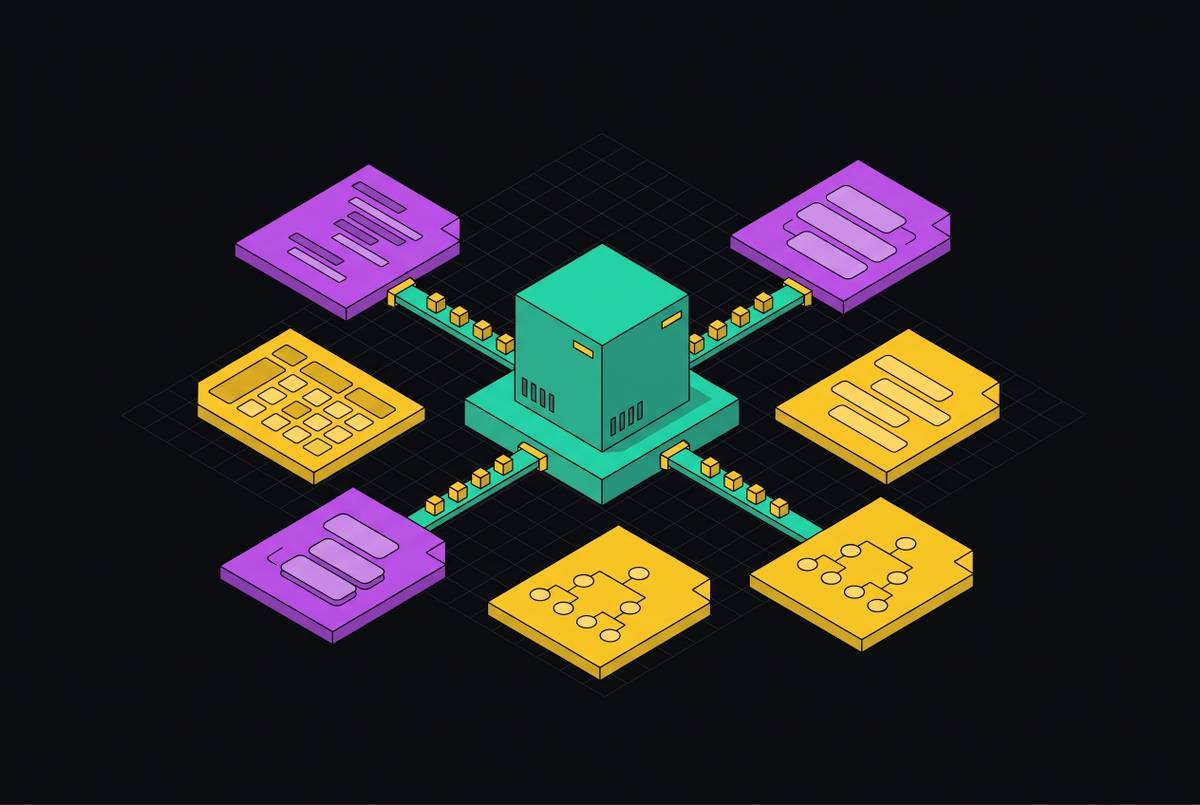
An endpoint index primarily serves experienced integrators who already know what they need to find. Evaluators want to know whether the API can solve their problem and how much work the integration will take. First-time integrators need a path they can follow end to end. Experienced integrators search for individual fields and return to errors and changelogs when an integration breaks. Tools and agents form the fourth audience, consuming specifications, SDKs, and plain-text pages as inputs outside a sequential reading path.
These readers need different entrances to the same API. A home page that opens only on endpoints gives the experienced integrator a useful lookup surface but leaves the evaluator without a starting point. A quickstart addresses that gap, but it cannot replace detailed reference material for someone debugging an existing integration. Nor can either format substitute for a machine-readable specification.
Conceptual guides explain the API, tutorials support implementation, and error documentation and changelogs support diagnosis and maintenance. AI-readable output gives tools access to the same underlying contract. The documentation must serve these needs while maintaining a consistent account of how the API works.
One source of truth — why the OpenAPI spec must generate the reference, not inform it
When the API is described once in a machine-readable specification, all those surfaces can draw from the same source. The reference should be generated from that specification. Separate copies create separate opportunities for drift. Generation makes endpoint structure, parameters, and schemas outputs of the API contract rather than facts someone must remember to transcribe.
The format depends on the API being described. OpenAPI describes REST APIs in JSON or YAML. AsyncAPI addresses event-driven and streaming APIs, while OpenRPC describes JSON-RPC APIs. Protocol Buffers serves gRPC APIs. The generation principle is the same across these formats.
For a framework that generates OpenAPI from code, the practical approach is to check the generated file into version control so changes appear in review. In a design-first workflow, the specification belongs in the implementation repository, with tests against it. Schemas that are shared belong in components and should be reused through $ref, while descriptions should explain the units, side effects, and constraints of each operation. These details can then feed reference pages, code samples, SDKs, mock server tests, and MCP servers. However, generation cannot correct an inaccurate contract. Validation and linting in CI are necessary because a stale specification reproduces the same error across every generated output.
Getting a developer to a first successful call in under five minutes
The developer at a terminal needs a short, complete route from credentials to a successful response. A quickstart should begin with one sentence explaining what the API does, followed by a direct route to credentials. The credential instructions should be reachable in one click from the documentation home page.
The next step is one complete request, ready to paste, with the response it returns. A developer waiting for a successful response needs to compare the actual result with an explicit expectation. That request should use a safe endpoint, such as “get current user” or a list call. Evaluation should not require creating records, charging money, or triggering other side effects. Two or three next steps can then lead from the successful call into useful integration work.
The target is an authenticated call in under five minutes. Clear troubleshooting guidance supports that target when credentials or requests do not work as expected. A sandbox or playground also lets developers run calls from the documentation and see real requests and responses without writing production code. That interactive path complements the terminal example by making the API available to test while the developer reads.
What descriptions must say that generated structure cannot
A generated schema can tell a developer that a field is an integer. A description must explain that the integer represents cents, must be positive, and cannot be changed after capture. Without those constraints, a request can look structurally correct while the integration rests on a false assumption.
Operation descriptions need the same precision as field descriptions. A summary that just repeats the path tells the developer nothing more. For pagination, the description needs to state the default page size, the maximum size, and what happens beyond that limit. An operation that sends an email, charges a card, or triggers a webhook must disclose that side effect. Retry behavior also needs an explicit answer about idempotency, while an identifier needs an explanation of where it comes from and what it relates to.
Writing this detail takes time that generation does not eliminate. For teams with limited capacity, the priority is authentication, the most common endpoints, and every error. Those are the places developers are most likely to encounter missing meaning during active work. Keeping these explanations in the specification allows the generated reference to retain them. A separate guide can provide context, but it should not be the only place an operation’s constraints are documented.
Code examples and error documentation as the two places trust is won or lost fastest
A developer copies a request and sees whether it works, or searches for an error and sees whether the documentation explains it. There is little room for ambiguity here. A broken example undermines confidence in other examples, while an undocumented error leaves the developer without a route forward.
Examples therefore need to show the whole request and the response the developer should get. Working examples support both the initial call and later implementation, but an example that no longer matches the API reverses that benefit. Keeping samples tied to the same specification as the reference reduces the opportunity for them to describe different versions of an operation.
Error documentation needs equal prominence in the main reference. A developer facing a 403 needs to find that error and understand the authentication or permission problem blocking progress. If the reference provides no explanation, the next step is likely to be a support ticket or an abandoned integration.
Why drift starts with a manual publishing step and how automated CI/CD closes it
Documentation that is correct at launch and wrong three months later has a synchronization problem. Another writing pass cannot prevent the next recurrence. If an API change ships before someone remembers to update the reference, developers receive instructions for behavior that no longer matches the implementation.
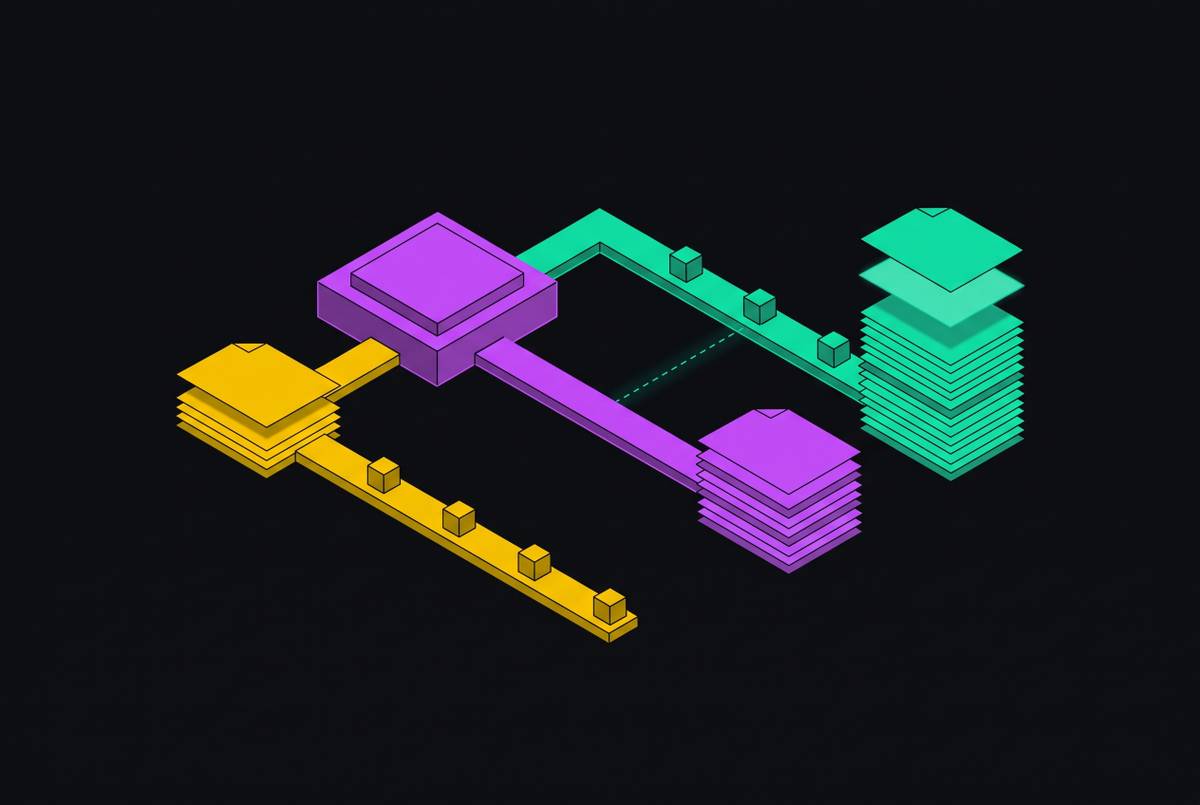
A docs-as-code workflow puts documentation in version control with the code, validates and lints the OpenAPI document in CI, and redeploys documentation on every merge. Reviewers can then see changes to the contract before the documentation is published. When an endpoint changes in the specification, generated SDK methods and documentation can update together. The synchronization extends beyond the page a developer reads.
Rate limits and pagination deserve particular attention because stale descriptions of either create support work. Regeneration can keep those details aligned when the changed behavior is represented in the specification. It cannot capture an implementation change that never reaches the contract. An operation or schema change in OpenAPI also provides a precise publishing signal, identifying the affected part of the reference and what changed. That signal makes documentation work part of delivery.
Versioning, changelogs, and the information developers need when something breaks
Even when the current reference is correct, it does not explain why yesterday’s integration stopped working. The returning developer needs to distinguish an implementation mistake from a change in the API. Versioning information belongs in the reference for that reason. It provides context for the contract the developer is using, while the changelog explains movement between versions.
A useful changelog entry includes the date, a clear breaking-change flag, a migration link, and an example showing exactly what to update. A label alone is not enough. Naming a changed field may identify the source of a failure without explaining how to repair the integration. The migration guidance must bridge that gap so the developer does not have to reconstruct the intended change from the current reference.
This is where the experienced integrator’s needs become urgent. Errors help explain the immediate failure, while the changelog establishes whether an update caused it. If either is weak, the developer must debug a change the documentation should have made explicit. When a breaking change appears in the specification, writing the content that goes with it should therefore come first in the publishing workflow. A regenerated endpoint page does not remove the need to explain the transition.
What "writing for AI agents" actually requires in a reference doc
The fourth audience can use the same writing style but needs inputs it can work with. AI assistants answer developer questions from documentation, while agents may call the API directly as a tool. Both depend on the accuracy of the contract. A well-formed, downloadable OpenAPI document provides a primary input for tool generation, with llms.txt, plain-text documentation, and MCP server exposure supporting machine access.
An operation needs to explain what it does, what its required parameters mean, and what a successful response looks like. An agent consuming that operation in isolation should not depend on context available only in a separate guide. This discipline also helps human readers arriving through search, outside a sequential tutorial.
Stale documentation creates an additional risk in this setting. An assistant answering questions from an outdated reference can distribute the wrong answer more widely than the static page alone.
Keeping reference docs accurate as the API keeps shipping
Automated reference publishing still leaves task-based guides and quickstarts exposed to change. Those pages take developers through several operations, so regenerating one endpoint may still leave parts of that path out of date. They need a deliberate review trigger tied to API changes. Otherwise, the starting path can fail even while the underlying reference accurately describes the new contract.
Specification changes provide a way to scope that review. An operation or schema change identifies which reference material, examples, and related guide sections need attention, rather than requiring a fresh audit of the entire documentation set. Spec merges, endpoint changes, and breaking-change flags can become documentation tasks. For lean teams, this connects maintenance to the engineering signals already produced by shipping the API.
A periodic review starts too late for the developer encountering a broken quickstart between reviews. Continuous publishing instead makes the API change the reason to update the documentation. The final quality test remains concrete. After the change ships, the next developer must still be able to get credentials, run the documented request, and get the response the page promises.